Werewolf
The werewolf is a magical creature that transforms into a wolf-like form during the full moon, a condition that afflicts Remus Lupin and shapes his life, relationships, and career at Hogwarts. In the wizarding world, lycanthropy is a deeply stigmatized affliction, and those who suffer from it are often shunned by society. Remus Lupin, who was bitten as a very small boy, lives with this condition and must manage its effects through a combination of magical potions and careful planning. His time as a teacher at Hogwarts reveals both the dangers of his condition and the prejudice he faces, while also highlighting the profound bonds he formed with his school friends, who became Animagi to keep him company during his transformations.
Nature and Origin of Lycanthropy
A werewolf is a human who transforms into a wolf-like creature during the full moon. The condition is contracted through a bite from a werewolf, and in the era of the story, there is no known cure. The transformation is extremely painful and dangerous, as the werewolf loses its human mind and becomes a threat to anyone nearby. Remus Lupin was bitten as a very small boy, and his parents tried everything to cure him, but in those days there was no remedy. The Wolfsbane Potion, a recent discovery, allows a werewolf to keep their human mind during the transformation, but it must be taken regularly in the week preceding the full moon. Professor Severus Snape brews this complex potion for Lupin throughout the school year, though Lupin admits he is not much of a potion-brewer himself. When Lupin forgets to take the potion one night, he transforms into a fully feral werewolf, attacking Sirius Black and nearly harming his students.
The Stigma and Secrecy of Lycanthropy
Werewolves are deeply mistrusted by most of the wizarding community. Lupin lives with the constant fear that his condition will be discovered and that he will be rejected. He is hired as the Defense Against the Dark Arts teacher at Hogwarts only because Albus Dumbledore, who knew him as a boy, vouches for him and works hard to convince other teachers that he is trustworthy. Lupin keeps his lycanthropy a secret from his students for most of the year, but Hermione Granger deduces it by noticing that he is always ill at the full moon and that a Boggart turned into the moon when it saw him. When Snape, who has known Lupin since their school days, deliberately reveals Lupin's condition to the Slytherins at breakfast, Lupin immediately resigns, knowing that parents will not want a werewolf teaching their children. He tells Harry, "This time tomorrow, the owls will start arriving from parents… They will not want a werewolf teaching their children, Harry." The stigma is so powerful that even after saving Harry's life, Lupin feels he must leave.
The Marauders and the Shrieking Shack
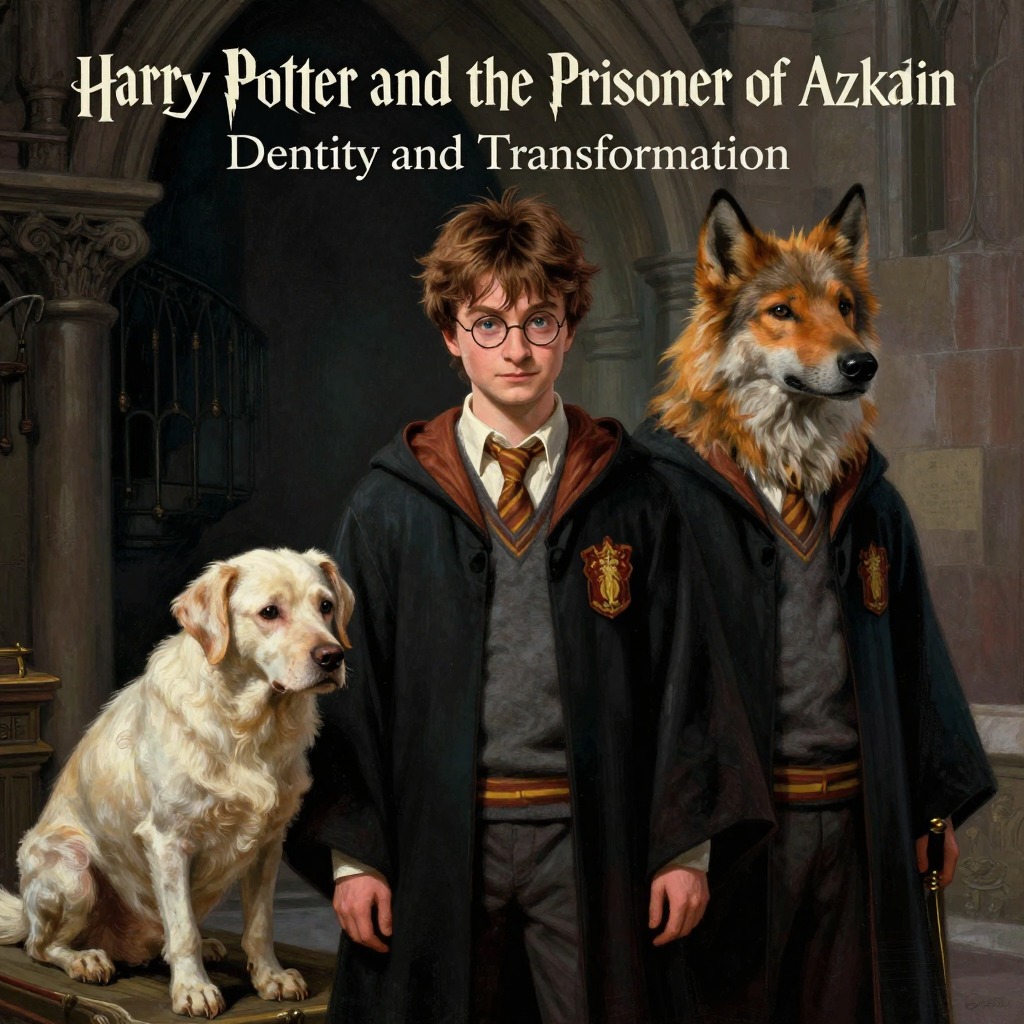
During his time at Hogwarts as a student, Lupin's transformations were managed by Dumbledore, who had the Whomping Willow planted and the Shrieking Shack built so that Lupin could transform in safety. The villagers heard the screams and howls he made and believed the house was haunted. Lupin's three best friends—Sirius Black, Peter Pettigrew, and James Potter—discovered his secret and, instead of deserting him, became unregistered Animagi to keep him company during his transformations. They spent three years learning how to transform, and in their fifth year, they succeeded. As animals, they could safely be with him, and under their influence, Lupin's mind became less wolfish. They used the Shrieking Shack as their base and roamed the school grounds and Hogsmeade by night, eventually creating the Marauder's Map. Lupin later reflects that he sometimes felt guilty about betraying Dumbledore's trust, but he always managed to forget his guilty feelings when planning their next adventure.
The Werewolf's Role in the Climax
On the night of Buckbeak's execution, Lupin, who has not taken his Wolfsbane Potion, transforms into a werewolf when the moonlight breaks through the clouds. He becomes a fully dangerous monster, and Sirius Black, in his dog form, fights him to protect the others. The werewolf is described as rearing, snapping its long jaws, and the dog seizes it about the neck, pulling it away from Ron and Pettigrew. They are locked, jaw to jaw, claws ripping at each other. The werewolf eventually takes flight and gallops into the Forbidden Forest. This transformation causes Pettigrew to escape, and it also seals Lupin's fate at Hogwarts, as the incident makes it impossible for him to remain as a teacher. After the event, Lupin packs his things and leaves, telling Harry that he could have bitten any of them and that must never happen again.
Thematic Significance
The werewolf in Harry Potter and the Prisoner of Azkaban serves as a powerful symbol of prejudice, fear, and the possibility of redemption. Lupin is portrayed as a kind, intelligent, and capable teacher who is also a victim of a condition he did not choose. His lycanthropy is not a moral failing, yet it subjects him to a lifetime of suspicion and exclusion. The story contrasts the fear and hatred directed at werewolves with the loyalty and courage of Lupin's friends, who accepted him despite his condition. Lupin's resignation at the end of the book underscores the injustice of a society that judges individuals based on what they are rather than who they are. His character also illustrates the theme of hidden identity and the burden of secrecy, as he must constantly hide a fundamental part of himself to be accepted.